
- How can I detect a lump in my breast?
- When should a benign finding be removed?
- What does surgery for a fibroadenoma involve?
- What are the risks of such a procedure?
- What happens after the operation?
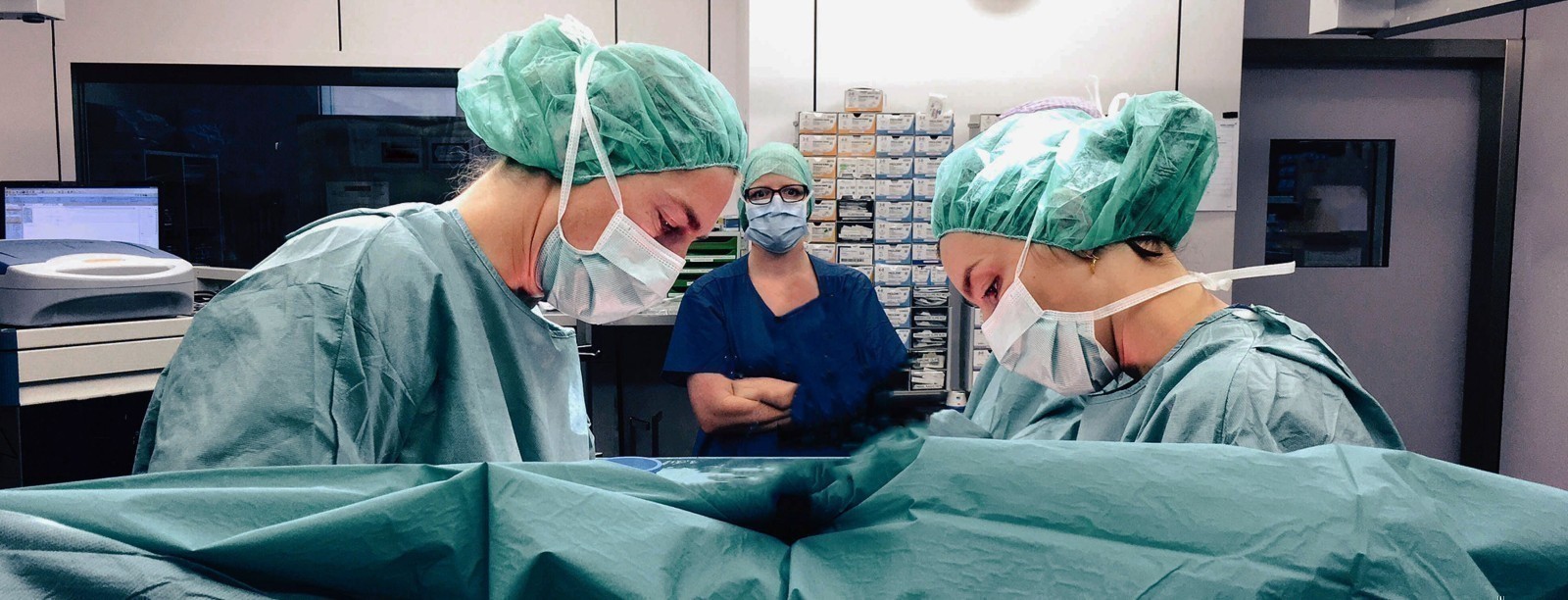
Procedures for Benign Breast Findings
If a benign tumor (e.g., a fibroadenoma, the most common benign breast tumor) is diagnosed, and it is bothersome or growing, it can be treated using the following methods:
- Findings up to about 30 mm that are not located directly under the skin can be removed minimally invasively using a vacuum-assisted biopsy. This can be done in a medical practice under ultrasound guidance, using local anesthesia and a very small skin incision (approx. 3 mm).
- Larger findings are usually removed through a minor outpatient surgical procedure. This takes place in a surgical center or clinic, and the patient can typically return home the same day.
This video answers the following questions:
Benign Breast Lumps –
When Is Surgery Recommended?
Many women discover a lump in their breast at some point in their lives. In most cases, this is a benign change, such as a fibroadenoma.
Nevertheless, every breast lump should be thoroughly evaluated in order to rule out breast cancer. If a benign lump causes discomfort or is perceived as bothersome, surgical removal may be appropriate.
In this video, our specialists Dr. Juliette Schmid-Lossberg and Dr. Julia Ihrig, members of the gynhealth senology team, explain what to consider.
This video was kindly provided by BD. If you would like to learn more about vacuum-assisted biopsy, you can find more information here .
Guide articles on the topic of breast lumps:
Tissue sampling from the breast / Core needle biopsy
Hereditary breast and ovarian cancer
Breast lumps – Breast cancer prevention with self-examination
Vacuum-assisted biopsy of the breast